

Health awareness is at an all-time high, but a familiar obstacle remains: time. A national health survey highlights that while physical activity is trending upwards, a clear intention-behaviour gap persists—the divide between genuinely wanting to exercise and actually following through. This is not merely an observation; a study from a Singaporean university applying this framework found that roughly one in three people reported getting insufficient physical activity, despite being aware of its importance. Similarly, an academic study on working adults revealed that work-related time constraints are the single biggest barrier to regular exercise—cited by 61% of respondents, well ahead of lack of interest (47%) or family responsibilities (29%).
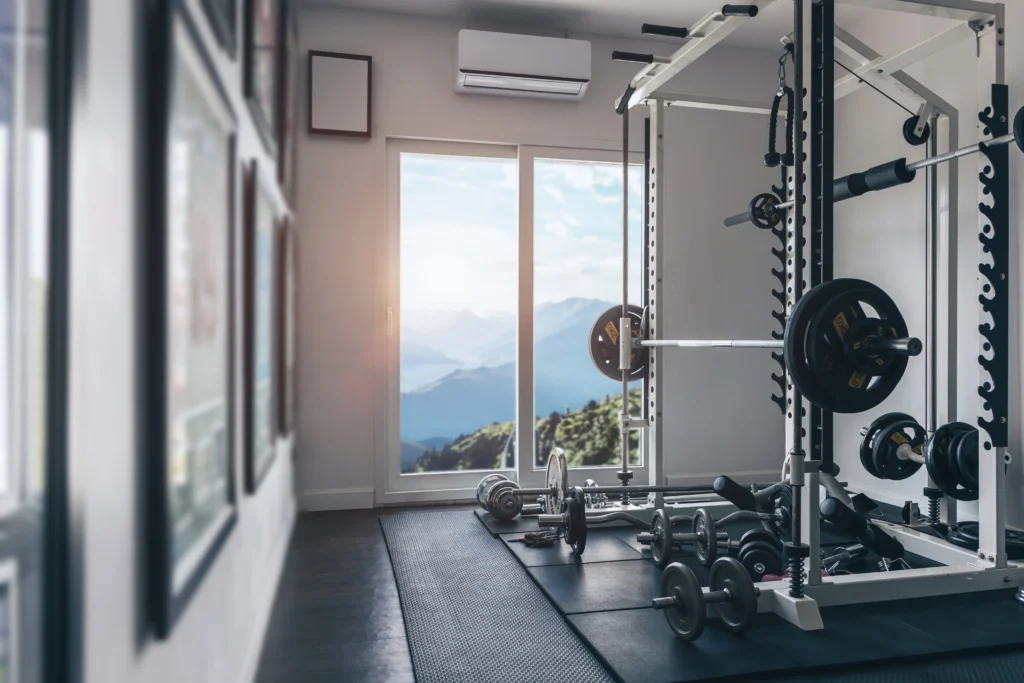
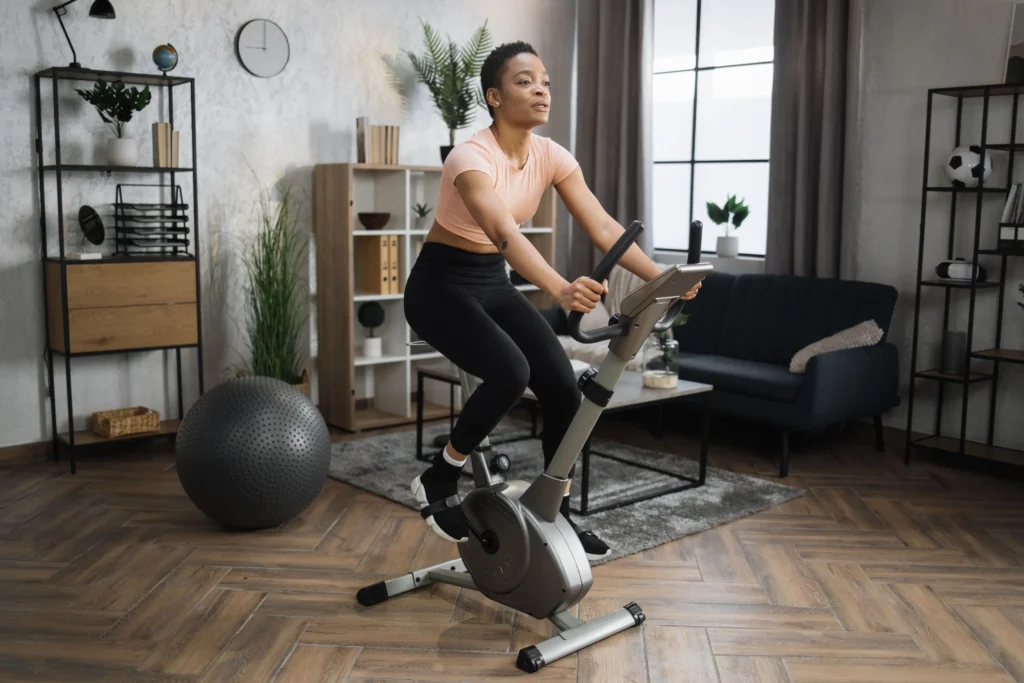
This is why an increasing number of professionals are investing in dedicated home workout spaces. It is not about luxury—it is about removing the logistical friction that makes long-term fitness unsustainable.
Is Time the Real Enemy of Your Fitness Routine?
For many, the problem isn’t motivation—it’s logistics. A 45-minute gym session often balloons into a two-hour time commitment once you factor in:
- Commuting: The round trip to and from the gym
- Preparation: Changing, packing gear and securing a locker
- Wait times: Waiting for popular equipment to become available
A dedicated home workout space eliminates these variables. By removing travel time and lowering the “barrier to entry”, maintaining consistency becomes far more achievable. Research on exercise adherence consistently indicates that routine sustainability is driven by convenience and accessibility, rather than workout intensity alone.
How the Fitness Industry Is Shifting Towards Flexibility
The rise of home gyms does not signal the decline of commercial facilities—it demonstrates an evolving business model that favours autonomy. Major 24-hour fitness chains have grown rapidly by offering round-the-clock access, recognising that modern professionals must fit exercise into unconventional schedules.
Home workout spaces represent the ultimate expression of this demand for flexibility. You are no longer reliant on:
- Fixed Opening hours
- Membership terms
- Proximity to a club
You dictate the terms of your training, entirely on your own schedule.
Fitness as a Benchmark for Modern Living
Many fear the “buy and abandon” cycle—where premium equipment sits unused. However, current consumer behaviour is driven by structural, long-term lifestyle shifts rather than fleeting seasonal motivation:
- Lifelong health habits: Public awareness has shifted from seasonal diets to integrating fitness as an essential, year-round component of daily life.
- Structural time scarcity: Modern urban work patterns make commuting to a gym increasingly difficult to sustain consistently.
The crucial distinction lies in execution. Individuals who maintain a home setup do not simply purchase a treadmill—they intentionally design a space. Careful consideration is given to long-term training goals, spatial layout and equipment that genuinely supports their routine over time.
Home wellness is no longer an afterthought. Across the residential property and hospitality sectors, high-specification fitness spaces are now a standard expectation among buyers and guests.
Having experienced premium fitness facilities in luxury hotels and developments, individuals now expect equivalent standards in their personal residences. The “spare corner with a folding treadmill” is rapidly giving way to architecturally integrated, private home gyms.
Is a Home Workout Space Right for You?
While the convenience is clear, a home gym isn’t a one-size-fits-all solution.
Stick with a commercial gym if:
- You rely on the social energy of a fitness club
- You live just steps away from a high-quality facility
Invest in a home space if:
- Time and distance are the main reasons you skip workouts
- You want full control over when and how you train
A home workout space is, ultimately, a strategic investment for anyone who wants fitness to become an inseparable, stress-free part of an already packed daily schedule—not a casual purchase for someone who simply wants to “try exercising.”